Blog
Skin and Hair Health: Essential Tips for a Healthy Appearance

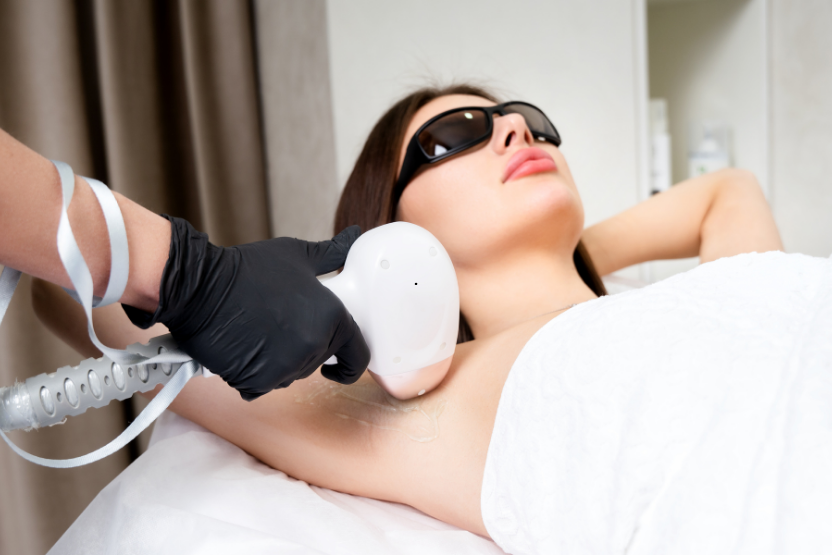
Healthy skin and strong hair are often signs of overall wellness and proper self-care. Factors such as nutrition, hydration, sleep, stress levels, and lifestyle habits all play an important role in maintaining glowing skin and healthy hair. While genetics can influence appearance, daily habits can greatly affect skin texture, hair strength, and long-term health.
Why Skin and Hair Health Matters
The skin is the body’s largest organ and acts as a protective barrier against environmental damage, bacteria, and harmful pollutants. Hair also serves important functions, including protecting the scalp and helping regulate body temperature. Maintaining healthy skin and hair not only improves appearance but also supports overall confidence and well-being.
Nutrition for Healthy Skin and Hair
A balanced diet provides the vitamins and nutrients needed to support healthy skin cells and hair growth.
Protein
Hair is primarily made of protein, making adequate protein intake essential for hair strength and growth. Protein also helps repair skin tissues.
Vitamins and Minerals
Important nutrients for skin and hair health include:
- Vitamin C for collagen production
- Vitamin E for antioxidant protection
- Biotin for hair strength
- Zinc for skin repair
- Iron for healthy hair growth
- Omega-3 fatty acids for hydration and elasticity
Eating fruits, vegetables, healthy fats, and lean proteins can help support a healthier appearance naturally.
The Importance of Hydration
Hydration is essential for maintaining soft skin and preventing dryness. Drinking enough water helps improve skin elasticity and supports healthy circulation, which delivers nutrients to both skin and hair follicles.
Dehydration can contribute to:
- Dry or flaky skin
- Dull complexion
- Brittle hair
- Increased hair breakage
Daily Habits That Support Skin and Hair Health
Simple lifestyle habits can make a significant difference over time.
Get Enough Sleep
Sleep allows the body to repair damaged skin cells and support healthy hair growth.
Manage Stress
High stress levels may contribute to acne, hair thinning, and other skin concerns.
Protect Skin from Sun Damage
Using sunscreen regularly can help reduce premature aging and protect against harmful UV rays.
Avoid Harsh Products
Using gentle skincare and haircare products can help prevent irritation, dryness, and damage.
Exercise Regularly
Physical activity improves blood circulation, helping deliver oxygen and nutrients throughout the body.
Common Factors That Affect Skin and Hair
Several factors may negatively impact skin and hair health, including:
- Poor diet
- Smoking and alcohol consumption
- Lack of sleep
- Hormonal changes
- Environmental pollution
- Excessive heat styling or chemical treatments
- Medical conditions and nutrient deficiencies
Addressing these factors early may help maintain healthier skin and stronger hair.
Supplements and Skin & Hair Support
Some people choose supplements to help support healthy skin, nails, and hair growth. Ingredients such as biotin, collagen, keratin, and omega fatty acids are commonly included in beauty and wellness supplements. However, supplements work best when combined with a balanced lifestyle and proper nutrition.
Final Thoughts
Healthy skin and hair require consistent care from both inside and outside the body. Proper nutrition, hydration, sleep, stress management, and gentle care routines all contribute to long-term beauty and wellness. By developing healthy daily habits, individuals can support stronger hair, clearer skin, and improved overall confidence.